
Dorchester County Arrest Warrants Explained
An arrest warrant in Dorchester County is a judge's order to take someone into custody. It follows review of a complaint or sworn affidavit for probable cause. The state statute behind magistrate criminal process is South Carolina Code §22-5-110. Magistrates and municipal judges handle much of the summary-court work. General Sessions warrants move through the circuit criminal process instead. The document names the authority for arrest and the agency that serves it. Since the court, Clerk, Sheriff, and city police each keep different parts of the record, ask for the right office before making plans.
Dorchester County Probable Cause Starts With a Complaint
The process starts with sworn information. An officer or another authorized applicant presents it for judicial review. A magistrate, municipal judge, or court of record then decides whether probable cause supports an arrest warrant. Dorchester County's summary courts and circuit court follow this same path. The affidavits stay private. No public warrant roster exists in Dorchester County. Once issued, the warrant is recorded through the court process and may be sent to the Clerk under Criminal Rule 3. The Clerk's criminal office accepts and maintains General Sessions warrants, while Magistrate and municipal courts keep their own files. Confirm the case type before asking for a copy. S.C. Code §22-5-110 governs magistrate criminal process, and the issuing court can explain which rules apply to a specific warrant.
Inside a Dorchester County Arrest Warrant
A Dorchester County warrant can tie together the court, the case, the charge category, and the date. Bond or first-appearance details may appear too. The sample identifier here is generic; no county number pattern is published. Ask the Clerk which fields are public and current.
| Warrant Number | sample identifier; use the court’s actual label. |
|---|---|
| Subject Label | May be redacted in a public example; do not publish private identifiers. |
| Charge / Offense | Category or statute, not a conviction. |
| Issuing Judge / Court | Identifies the court with the warrant and hearing record. |
| Bond / First Appearance | Confirm current terms and timing with the court. |
| Date Issued | Shows issuance, not current active or service status. |
Dorchester County Sheriff and Court Roles
The court issues the order and law enforcement serves it. Dorchester County's Sheriff serves as the county law-enforcement agency, with offices in Summerville and St. George. Municipal police serve city warrants in Dorchester County and keep their own records. Questions about a case file, bond, or recall go to the Clerk or the issuing court. The Sheriff posts no public warrant search. The records portal takes public-record requests for Sheriff and Detention Center material, not a live self-check. To learn where an order stands, call the Sheriff's general line. The local police agency named by the court can answer service questions too.
Dorchester County Clerk, Criminal Office
5200 E. Jim Bilton Blvd., St. George, SC 29477
843-563-0231
Serving Arrest Warrants in Dorchester County
Dorchester County deputies serve county court orders. City matters go to municipal police. Partner agencies may assist across jurisdiction lines. Booking and first appearance follow the responsible court's process. Bond may be set by a magistrate or another judicial officer. The arresting agency cannot decide whether a court later recalls the warrant. North Charleston offers a local example. Its Warrant Unit enters arrest and bench warrants into NCIC and RMS, and Records or Communications verifies status before a full custodial arrest. That is an internal city procedure, not public NCIC access and not a rule for every Dorchester County agency.
Municipal Warrant Service Can Cross City Lines
Every municipal warrant starts in a city court. Service outside the city raises its own question. South Carolina Code §22-5-190 covers endorsement and execution when a municipal warrant is served beyond the issuing municipality. That line matters in Dorchester County, where towns run their own courts and North Charleston spans several counties. Never assume it sits in a county Sheriff roster. Ask the municipal clerk whether the order was endorsed or transmitted. Ask which agency can confirm service. Only the court, not a search page, can explain the specific document. S.C. Code §22-5-190 sets the municipal-warrant rule, and a clerk or lawyer can apply it to a Dorchester County court order.
Comparing Arrest, Summons, and Bench Warrants
Dorchester County issues three documents people often confuse. An arrest warrant authorizes custody after probable-cause review. A summons directs a person to respond or appear, without itself ordering arrest. A bench warrant answers a missed obligation in an existing case, so the right contact and next step depend on which one was issued.
| Feature | Arrest Warrant | Summons | Bench Warrant |
|---|---|---|---|
| What It Orders | Arrest under a judicial order | Response or appearance by a set date | Return to court on an existing case |
| Basis | Probable-cause review | Notice under the case process | Failure to appear or comply |
| Who Issues It | Judge, magistrate, or municipal judge | Court or authorized officer | Judge in the underlying case |
| How to Respond | Confirm court, counsel, and bond | Follow the date and instructions | Ask about appearance and recall |
Federal Warrants Use a Separate Court
Federal warrants use a separate court system. Dorchester County's state and municipal portals do not cover them. The federal route runs through the U.S. District Court for the District of South Carolina and its federal clerk records. PACER offers federal docket access. A docket is still not a public warrant self-check. The U.S. Marshals and the Carolinas Regional Fugitive Task Force handle federal and cross-jurisdiction fugitive work. The fee page lists federal docket charges and the quarterly no-fee threshold. For a federal-status question, skip the Dorchester County Clerk and contact the federal clerk, an attorney, or the responsible federal agency. Read the official PACER fee guidance first.
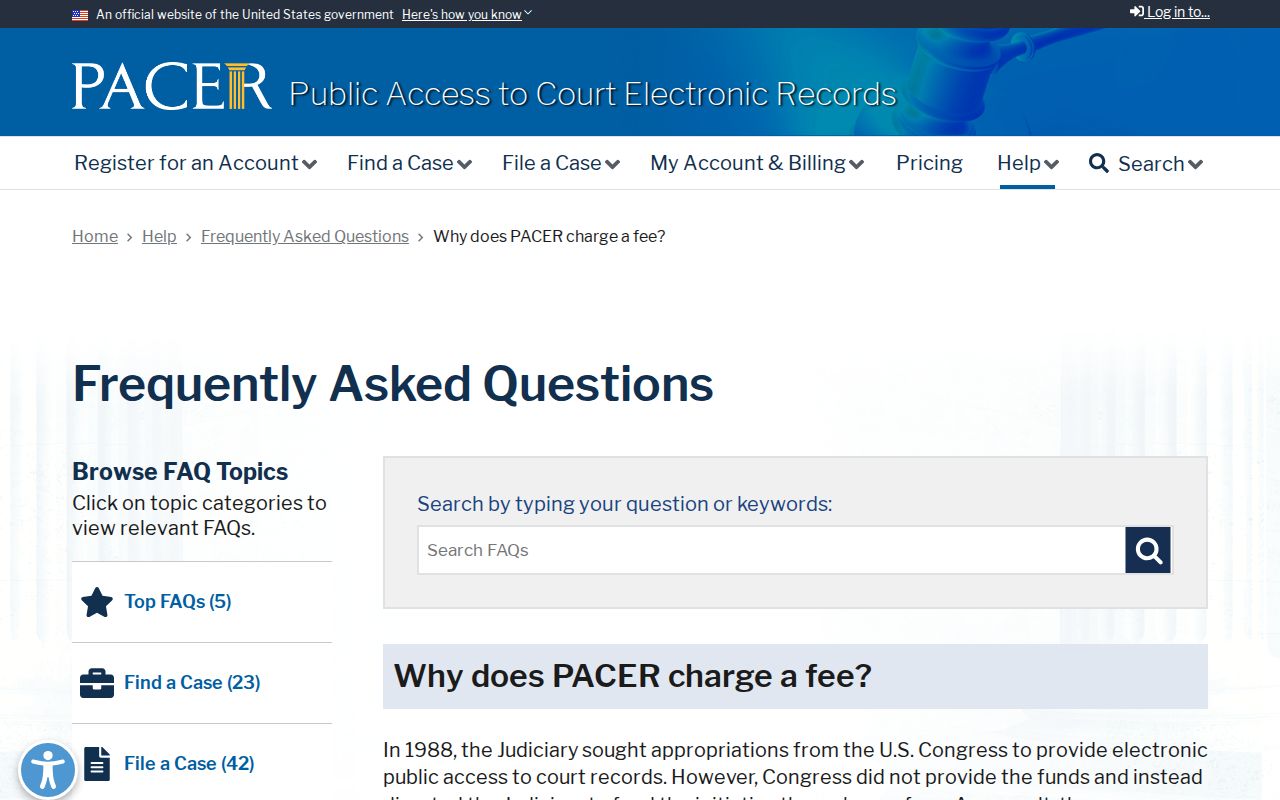
That federal route stays entirely separate from the Dorchester County Clerk, Magistrate Court, and municipal court records.
Dorchester Public Index Results Need Direct Confirmation
The Dorchester Public Index is a good place to find a General Sessions case. It is not a live arrest-warrant roster. Fresh filings can lag behind, and sealed or confidential events stay off the screen. Grab the case number, though. It tells you which Clerk criminal office or issuing magistrate owns the file, and that office can say whether an active warrant sits on it and what bond or hearing has been set. A clear result in one court settles nothing, either, since a separate municipal or county case can still be open in Dorchester County. The Sheriff answers service questions. Only the issuing court can explain its own order or decide a recall, so confirm present status directly with the office that issued it.
If There’s an Arrest Warrant for You
Suspect a Dorchester County arrest warrant has your name on it? Ask an attorney to confirm the issuing court and its current status before you act. A lawyer can walk you through a voluntary appearance, bond terms, and a motion to recall or quash. An online docket entry or an old notice will not give you the current terms. Call the court itself. Ask whether a hearing is set, what amount or conditions apply, and how service or recall gets confirmed. Hold onto the case number and every receipt. The warrant stays a court matter. Paying a fee or posting bond in Dorchester County may not resolve the underlying charge or clear every hold.
Use the issuing court and legal counsel for a safe response. Do not rely on a third-party result or approach another person based on a record.
Important: Ask a lawyer to help confirm the current order and a safe court-directed response before deciding how to appear.